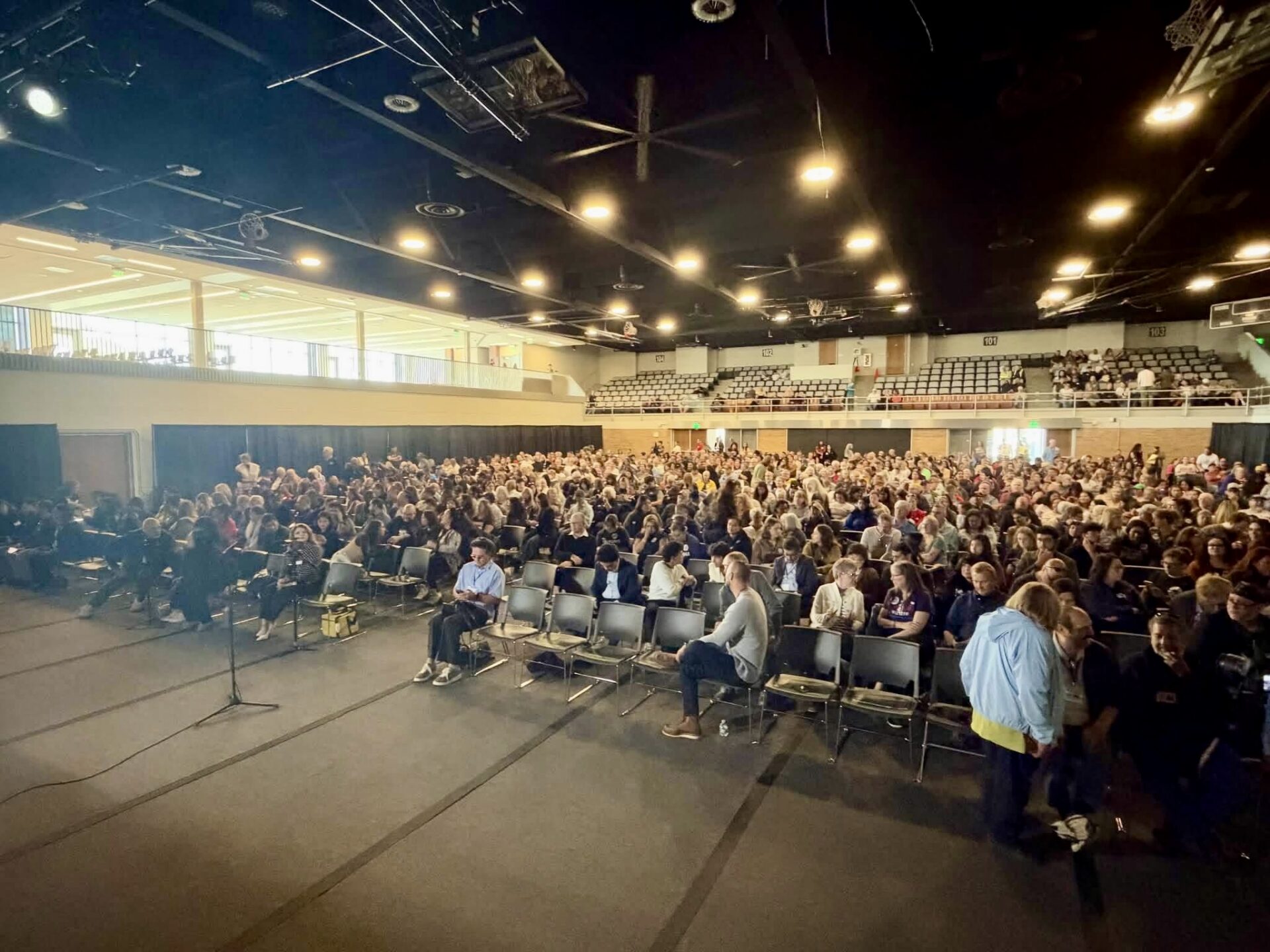

The national press keeps asking what Latino voters will do. On Sunday, October 25, in Holland, Michigan, it missed a chance to listen to them.
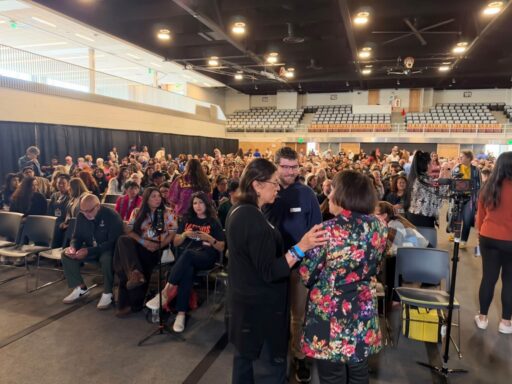
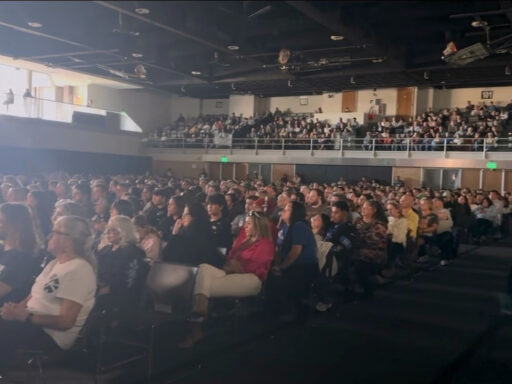
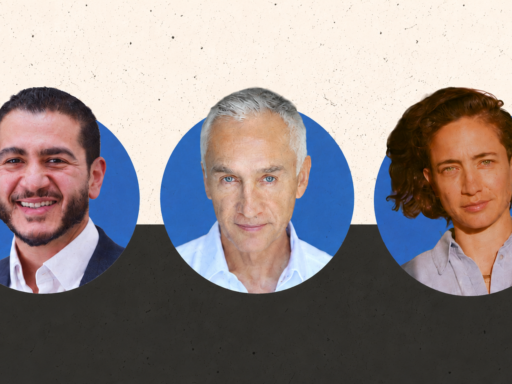
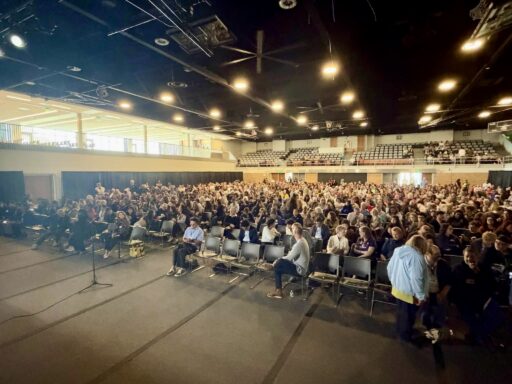
Roughly 1,400 people, most of them Latino by our estimates as organizers, filled the Civic Center to watch Jorge and Paola Ramos interview Abdul El-Sayed. For about an hour they listened to a real conversation, long and searching and unhurried, the kind you almost never see in a campaign season built on sixty-second clips. Then the audience got to ask its own questions.
Cynthia Martinez and I organized the gathering to reach the Latino community of West Michigan. My single biggest fear was that we would hit capacity with the already-converted and the people I most wanted in the room would be turned away at the door.
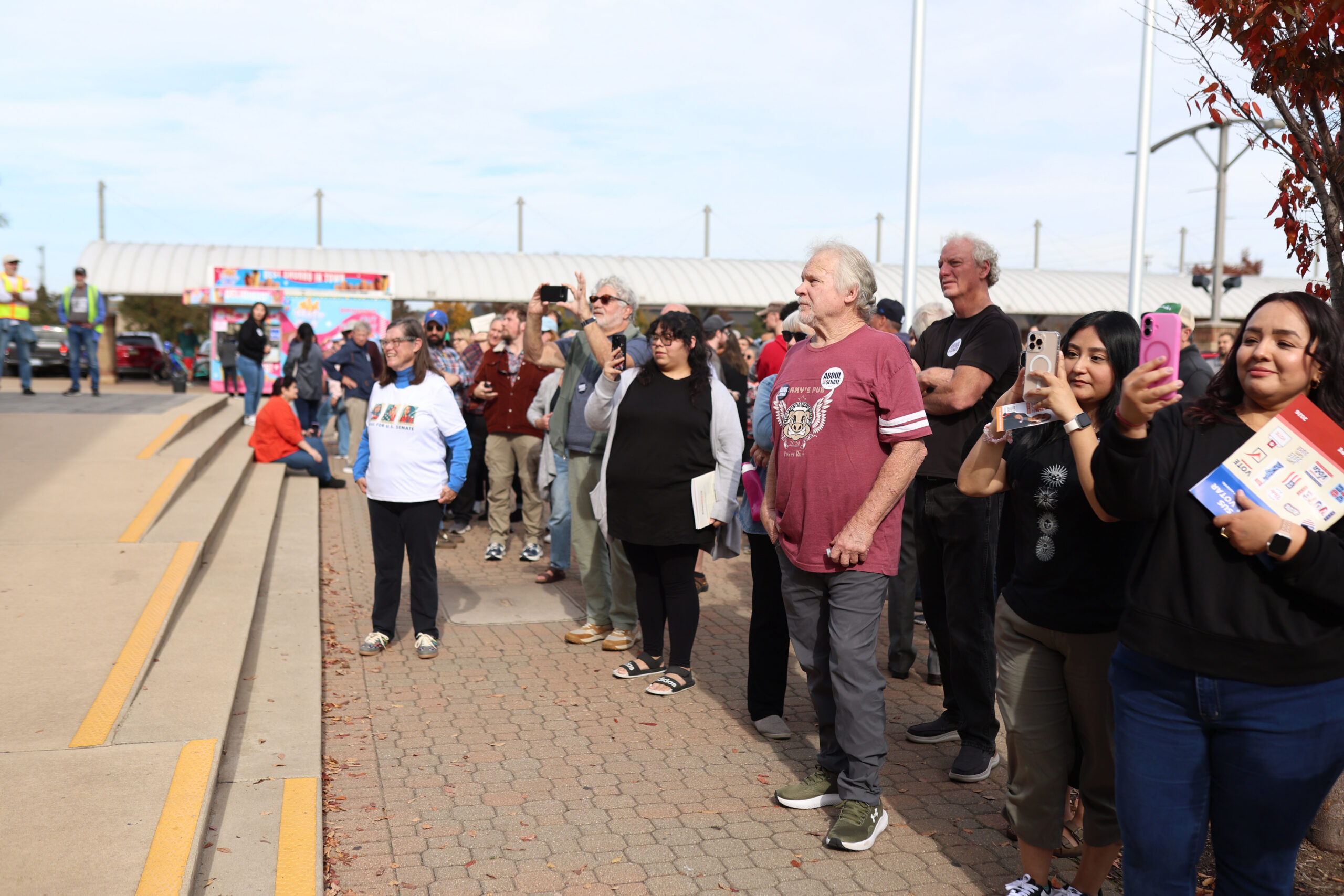
Bernie Sanders’s rally helped make space for that audience. Thirty miles away in Grand Rapids that afternoon, Sanders was rallying for El-Sayed. Our event ended as his doors opened. Two big events, half an hour apart, should have meant competing for one crowd.
But the people driving out to see Bernie were always going to fill his hall. They did. That left more space in Holland for the community we had built our event for. It was, honestly, a blessing.
Both gatherings deserved coverage. A rally mobilizes supporters. An interview makes a candidate answer questions. Preaching to the converted can be thrilling. Reaching people who have been written off is the harder work, and the reaching is the whole game.
The Ramoses brought a trust that campaigns cannot manufacture with an advertisement. For decades, Jorge was the journalist millions of Latino families welcomed into their homes. Paola brings her own reporting and fearlessness to a younger, English-speaking audience. Some attendees had grown up watching Jorge and never imagined seeing him in their town.
People like this do not usually come to a place like Holland. They came.
The Ramos team told us this was their first live podcast taping before an audience. Ottawa News Network and Acceso VIP GR covered it. They deserve credit for showing up. The major national newsrooms were absent.
More than 2,000 registrations should have prompted a question: What brought these people here? Talk to them. Ask whether they came for the journalists, the candidate, the issues or someone who personally invited them. Find out whether they were convinced or disappointed. A reporter could have tested every assumption we made as organizers. I would have welcomed it.
Religious conviction does not dictate party allegiance. Paola asked how Latino voters with conservative religious beliefs could reconcile those convictions with supporting a progressive. El-Sayed explained that his faith governed his own choices, including his decision not to drink. It did not give him permission to impose those choices on everyone else.
“Faith is about you and God,” he said.
Then he asked what believers actually did for others. “Okay, but what do you do? Show me how you’re uplifting the poor.”
“Show me how you’re fighting hunger. Show me how you’re fighting oppression.”
He offered religious voters a case for progressive politics rooted in their obligations to others. They could accept it or reject it. Anyone trying to understand their votes should have wanted to hear them weigh that argument.
The audience had its own understanding of political responsibility. In a video recorded from the room, one attendee urged people to make informed decisions and vote, regardless of whom they supported. Then she added, in Spanish: “Que voten por aquellos que no pueden votar.”
Vote for those who cannot vote.
She was thinking about people whose lives would be affected by an election in which they had no ballot. I want to hear more from her and less speculation about which party owns the Latino vote.
The opportunity is already visible. In Holland’s Ottawa County precincts, ballots cast rose about 13 percent between the 2022 and 2026 August primaries. That does not tell us how Latino residents voted, or why. It should make reporters curious enough to come and ask.
What makes the silence stranger is that the press already knows this story matters. On the day of our event, The New York Times published “Latinos Are Now America’s Most Important Swing Voters.” It had also covered the launch of the Ramoses’ podcast. Their own pages make the case. Surely that platform actually doing the work in a battleground state deserved a follow-up.
Ottawa County’s response to the far right deserves the attention its takeover received. This county was front-page news in The Washington Post in April 2023 after a far-right slate took control of our local government. The cameras found us then. The far right made us a cautionary tale, and everyone was curious.
Now the same community is writing a different story: people choosing to show up, engage and be counted. If you can find us when our government is being taken over, you should be able to find us when our neighbors are trying to shape what comes next.
The obligation continues after the event. Hold Cynthia and me accountable for staying in touch. Ask whether El-Sayed comes back to answer the next difficult question. An invitation should be the beginning of a relationship.
So if the national press will not tell that story, we will tell it ourselves. We brought people together in Holland. They came. We will keep organizing gatherings like it, with or without the cameras, because this election will also be won in the places they keep missing.