

Michigan votes in five days. Latino voters could help decide who wins. What will they get for it?
Michigan Advance reports that MI Poder estimates Latino participation grew 13% to 18% over the previous midterm primary. That includes people with little history of primary voting.
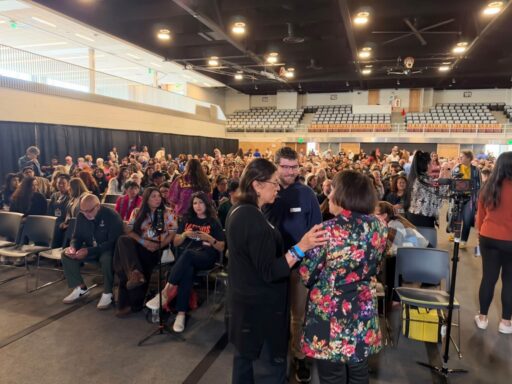
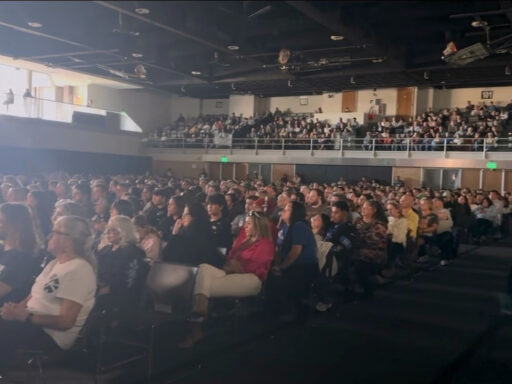
In Holland, the engagement filled a room. Organizers estimated about 1,400 people gathered at the Civic Center on October 25 as Jorge and Paola Ramos questioned Democratic Senate candidate Abdul El-Sayed about immigration, healthcare and the cost of living.
Now comes the question that lasts beyond a campaign appearance: What will change for their families if he wins?
Community organizer Edgar Mandujano explained what was at stake for his family. Federal policies were affecting people close to him, he told EL CENTRAL, making it important to have someone representing Michigan “who is fighting for us.”
That expectation is where the election story begins. A candidate wants a vote. A family wants to know what that vote will change.
A Latino gathering in DeVos’s hometown puts political power in focus
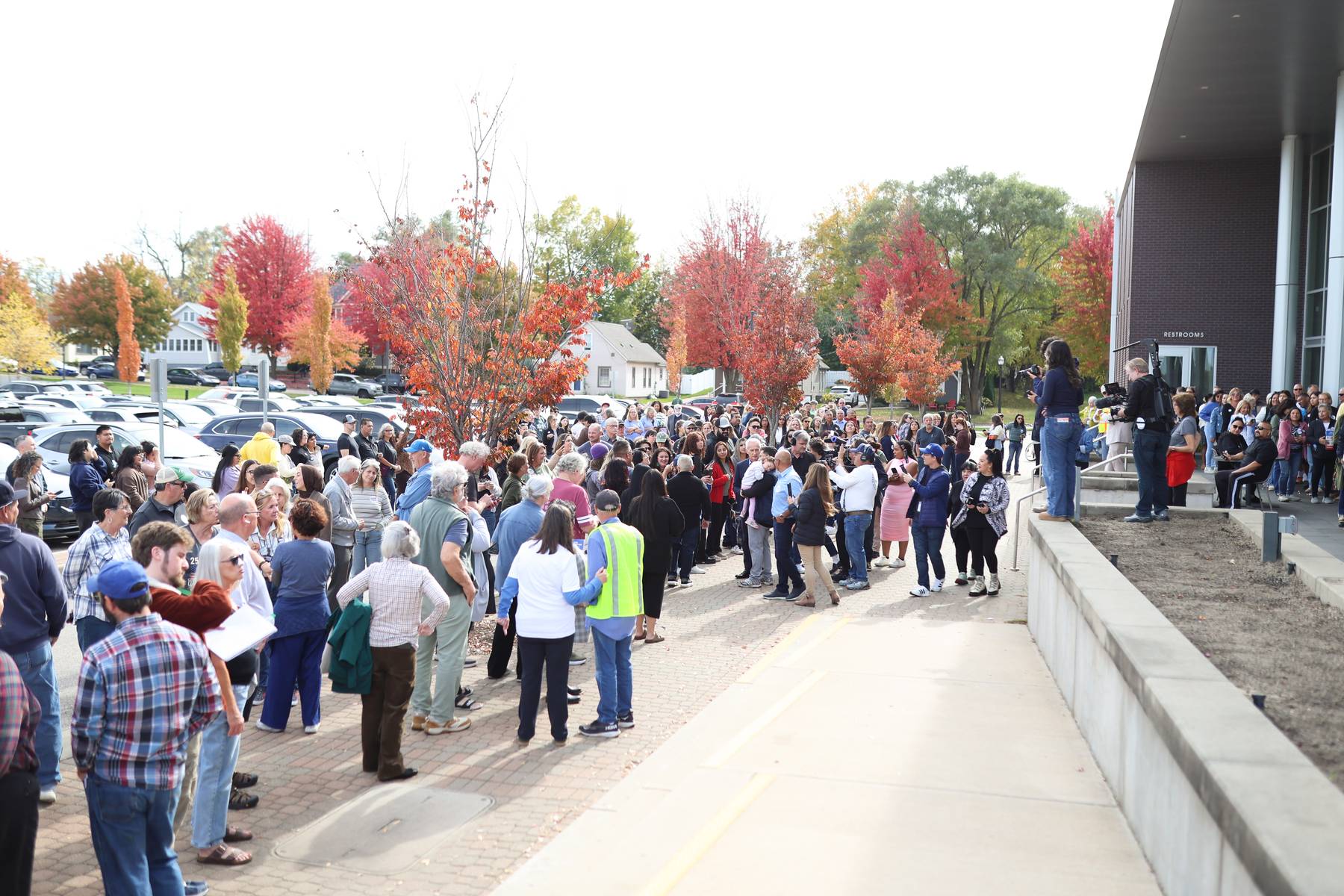
Holland is a revealing place for this encounter. It is the hometown of Betsy DeVos, Trump’s education secretary during his first administration, a former Michigan Republican Party chair and a major Republican fundraiser. West Michigan has long helped shape national politics through its business leaders, donors and political networks.
The Civic Center gathering brought another source of influence into view: Latino residents organizing around the questions they want answered.
Nearly one in four Holland residents is Latino. Census QuickFacts puts the share at 23.6%. That includes children and noncitizens, so it cannot be read as the Latino share of voters. It does establish how much of the city’s life and future belongs to these families.
The national electorate gives that local gathering wider significance. Pew Research Center projects approximately 39 million Latino eligible voters in 2026, about 16% of the eligible electorate and roughly 5.2 million more than at the previous midterms. Much of that growth comes from U.S.-born Latinos reaching adulthood.
Those numbers give political hopefuls a reason to show up. Michigan’s margins explain why showing up can matter.
Michigan’s 2024 Senate election was decided by 19,006 votes, according to the official Senate results (PDF). Holding everything else constant, 10,000 voters switching sides would have reversed the result. Closing the same gap through additional turnout alone would have required 19,007 new votes for the runner-up.
A community does not need to be the majority to change who holds power. It needs enough people participating to become consequential to the outcome.
Latino families bring their concerns. What do candidates bring?
The questions in Holland connect directly to what Latino voters across the country say matters to them.
In Pew’s national survey of Latino registered voters, 86% said the economy was very important to their congressional vote. Healthcare followed at 80%, education at 75% and immigration at 64%. The survey was conducted September 28–October 4 in English and Spanish.
These concerns reach into the same household: the grocery bill, a medical appointment, a child’s school, a relative’s security.
They also produce different political choices. Pew’s October report found 18% of Latino registered voters unsure whom they would support for the House, while another 7% preferred someone other than the two major-party candidates. These are national findings, not a forecast for Michigan. They show why neither party can assume Latino support.
That makes the quality of an encounter important. Voters need enough substance to decide whether a candidate understands their concerns and has a credible response.
In Holland, the Ramoses pressed El-Sayed about whether he had waited too long to speak directly with Latino voters. In the recorded Holland interview, he proposed abolishing ICE, replacing it with an agency resembling the former Immigration and Naturalization Service, and investing in courts and legal infrastructure.
Those positions give voters something to examine. Which legislation would he support? What could he accomplish as a senator? How would families know whether he was making progress?
EL CENTRAL reported that Republican candidate Mike Rogers was also invited but did not appear. Both candidates are seeking the authority to represent these families. Both face the obligation to explain what they would do with it.
Holland’s Latino community puts a Senate candidate on the record
The significance of the gathering extends beyond the organizers’ account.
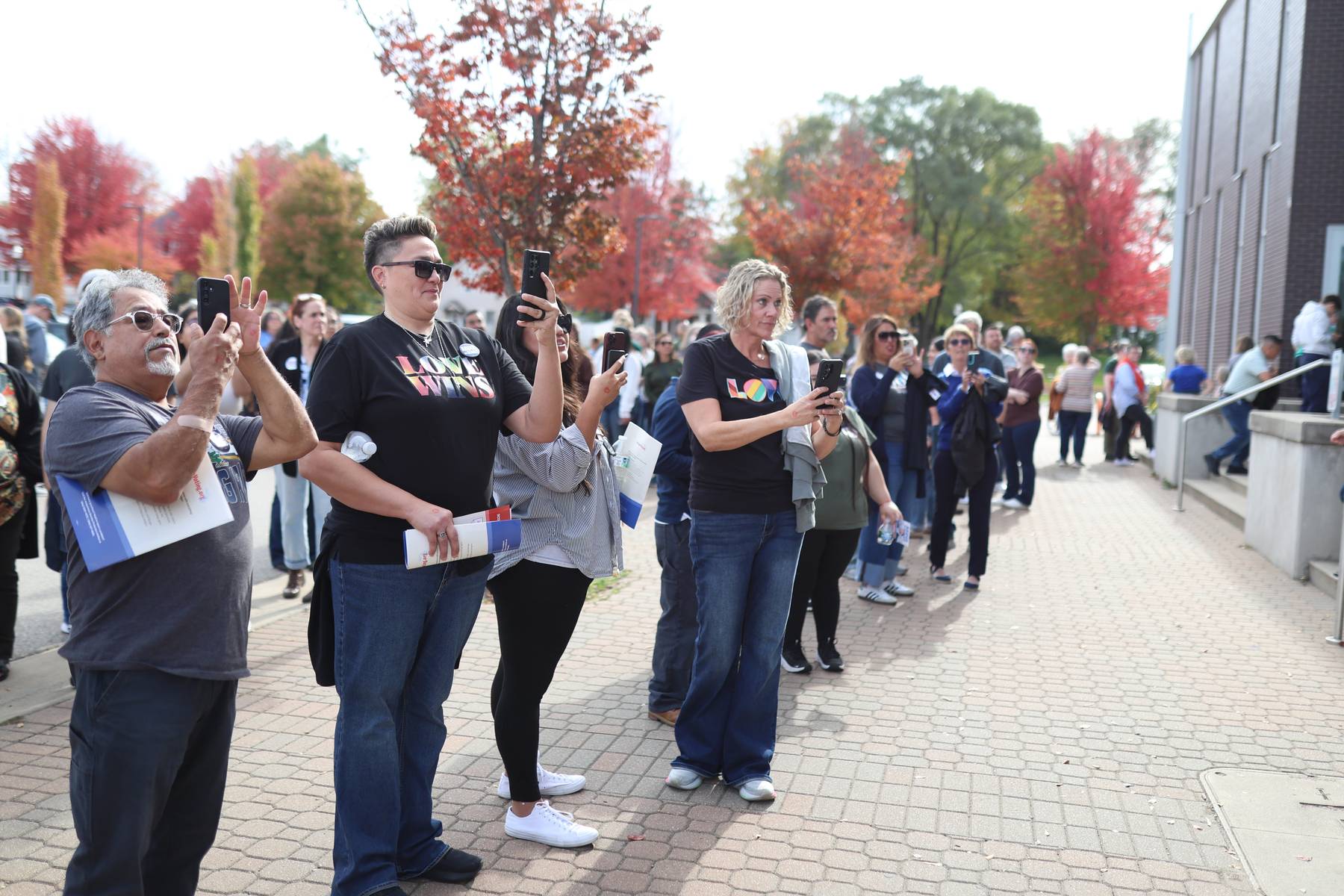
EL CENTRAL’s coverage described residents lining up three hours early and a multigenerational audience. Ottawa News Network reported an overflow crowd where grassroots organizing, national journalism and Senate politics converged.
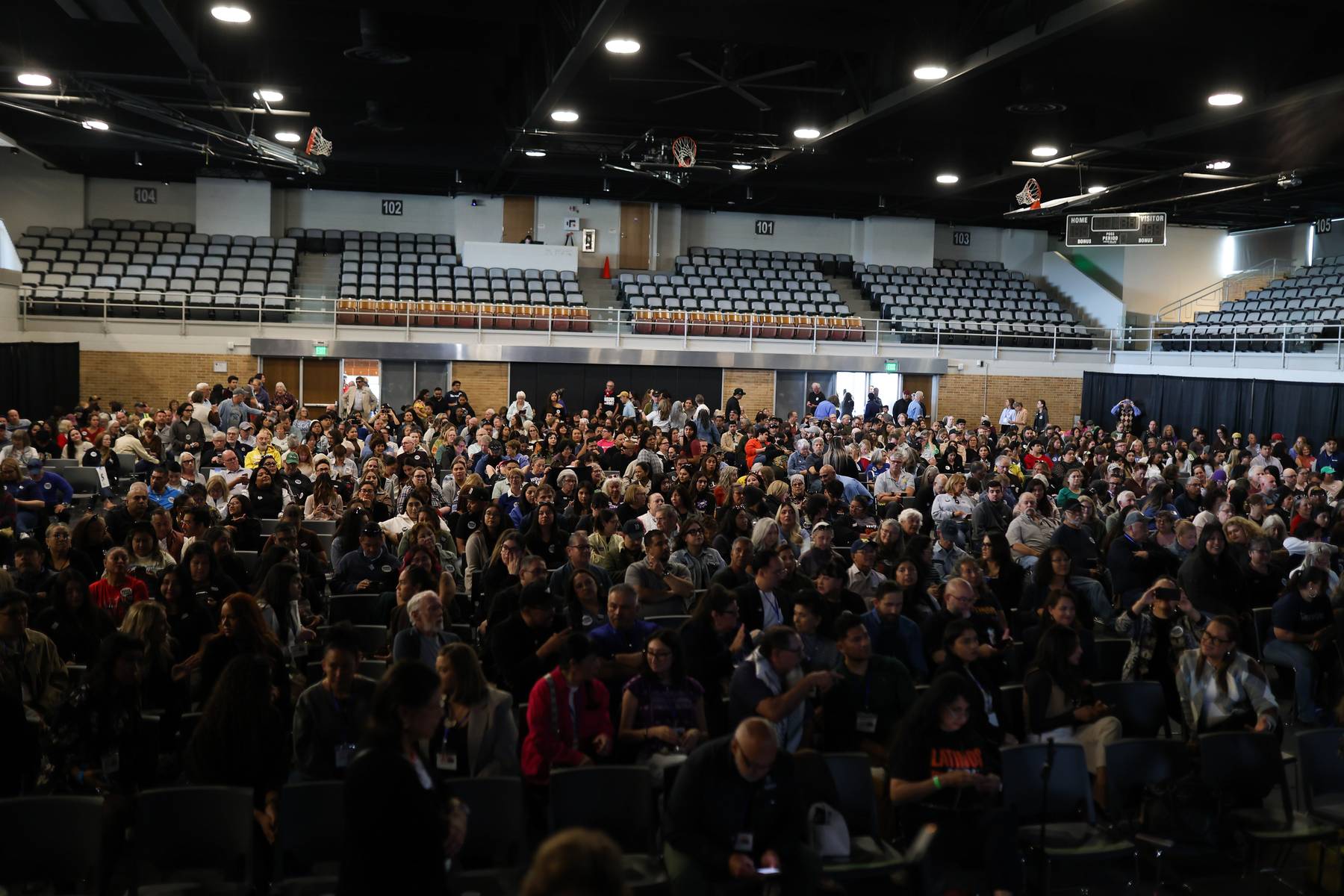
Cynthia Martínez, Rebecca Padnos Altamirano and Veronica Beltran helped bring the conversation to Holland. MI Poder hosted a preceding meet-and-greet. Local relationships made the gathering possible; the Ramoses’ national platform carried its questions beyond the room.
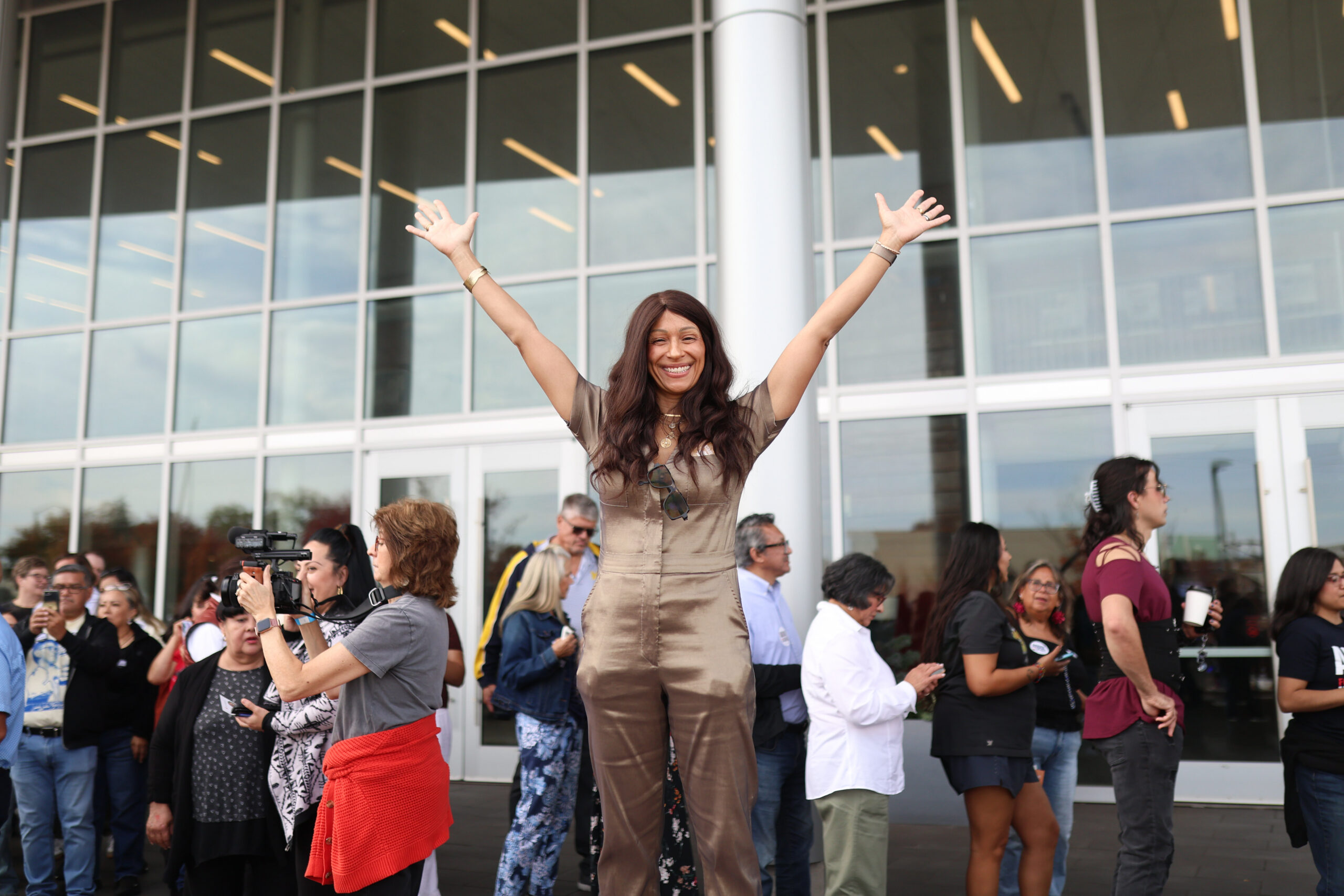
That combination made Holland a defining moment of Latino engagement in Michigan’s 2026 election. Community organizers created a public encounter where residents’ concerns shaped the conversation and a candidate seeking statewide power had to respond.
This is the value of these gatherings. Residents can hear a candidate answer questions in public. Journalists can press for specifics. A recording preserves what was promised. The encounter creates a reference point for what follows.
The test comes at the ballot box. MI Poder’s turnout estimate needs independent scrutiny, and Holland’s election records do not identify voters’ ethnicity. A full room does not tell us how many people voted or changed their minds. The available coverage does not tell us whether Mandujano believed El-Sayed’s answers met his family’s concerns.
His assessment matters as much as the candidate’s response.
Latino votes can decide the winner. Who delivers afterward?
For Mandujano, representation means having someone fight for people living with the consequences of federal policy. After November 3, that expectation can become a standard: a proposal to follow, a legislative vote to examine, a commitment to revisit.
Holland offers a glimpse of what Latino political influence can become when participation is supported by organization and public attention.
A young person casts a first ballot. A family begins attending public meetings. An organizer knows whom to call when a promise goes unanswered. Over time, those relationships can build an electorate that expects access and recognizes its own leverage.
The national implications reach beyond this Senate race. As more Latino citizens become eligible, the question is how fully they participate in choosing leaders and how much influence they exercise over the decisions those leaders make. Communities like Holland give that possibility a place to develop, through relationships that can outlast an election.
A few thousand votes can decide who enters the Senate. An organized community can keep asking what happens once they get there. In Holland, Latino residents have already helped bring that conversation home. The next measure of their power will be who listens, who delivers and who has to answer when they do not.
Disclosure: Gathering co-organizer Rebecca Padnos Altamirano is an Interesante cofounder and the wife of its director, Antonio Altamirano.
Photographs supplied to Interesante. All images show the October 25 gathering at Holland’s Civic Center.